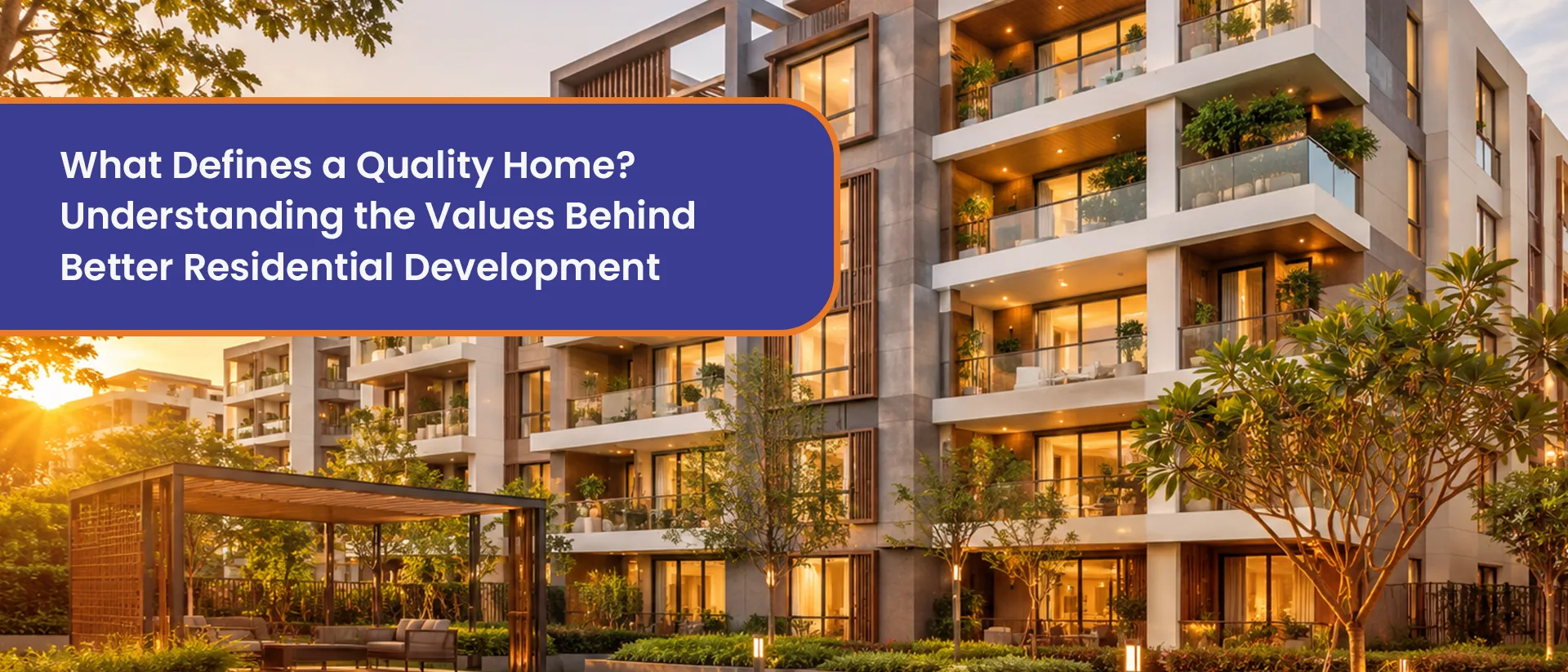
Home Property in Chennai What Defines a Quality Home? Understanding the Values Behind Better Residential Development
Buying a home is one of the most important decisions in life. It is not simply about purchasing a property with attractive interiors, modern amenities or a convenient location. A quality home should provide comfort, safety, functionality and long-term value while supporting the everyday needs of the people living in it.
With changing lifestyles and growing expectations, homebuyers are becoming more conscious of what makes a residential property truly worthwhile. They are looking beyond the appearance of a building and paying closer attention to construction quality, space utilisation, ventilation, neighbourhood infrastructure and the credibility of the developer.
When exploring apartments in Chennai, buyers often come across numerous residential projects offering different specifications, facilities and price ranges. However, understanding the values behind better residential development can help buyers distinguish between a property that simply looks attractive and one that genuinely supports comfortable living.
So, what exactly defines a quality home? Let’s explore the important elements that contribute to better residential development and create lasting value for homeowners.
The first and most important characteristic of a quality home is its construction. A residential building should be designed and constructed with attention to structural strength, material selection and appropriate engineering practices.
While attractive interiors and modern amenities may create an initial impression, the actual quality of a home depends heavily on what lies beneath its appearance.
Some important construction considerations include:
A developer who prioritises construction quality from the planning stage can create residential spaces that remain functional and comfortable over the years.
For homebuyers, understanding construction specifications and reviewing the quality of previous projects can provide valuable insights before making a purchase.
A quality home should make everyday activities convenient. The design and layout of a residential property play an important role in determining how comfortably residents can use their living spaces.
A well-planned home should provide a practical balance between private spaces, common areas and functional requirements.
For example, a thoughtfully designed apartment should consider:
Poorly planned layouts can make even a spacious apartment feel uncomfortable. Similarly, a well-designed home can offer better usability without requiring unnecessary space.
Developers should understand how families use their homes and incorporate practical design principles into their residential projects.
Natural lighting and ventilation are essential elements of a healthy and comfortable residential environment.
A home that receives sufficient daylight can feel more open, welcoming and pleasant. Similarly, proper ventilation helps maintain indoor air circulation and reduces the feeling of enclosed spaces.
Homebuyers should evaluate the following aspects when visiting a residential property:
Window placement: Windows should be positioned thoughtfully to allow natural light into living spaces.
Cross ventilation: Where the layout permits, openings on different sides can support better airflow.
Room orientation: The positioning of rooms can influence daylight availability and indoor temperatures.
Balcony design: Properly planned balconies can provide additional openness and usable outdoor space.
Building spacing: Adequate space between buildings can improve light availability and ventilation, depending on the site layout.
These details may appear small during the initial property visit, but they can significantly influence the everyday living experience.
A quality home should provide residents with a sense of safety and security. This is particularly important for families with children, senior citizens and people who frequently travel for work.
Residential developers should consider safety at different stages of project planning and construction.
Some important features include:
In addition to physical safety, the overall residential environment matters. A properly managed apartment community with clear maintenance responsibilities can contribute to a more comfortable living experience.
Homebuyers should verify the safety provisions included in the project rather than assuming that every development offers the same facilities.
A quality home is not defined by the building alone. Its surrounding neighbourhood also plays a significant role in determining residential satisfaction.
A conveniently located property can make daily travel, shopping, education and healthcare access easier.
Before choosing a home, buyers should consider its proximity to:
In a growing metropolitan city like Chennai, residential locations offer different advantages depending on their infrastructure and accessibility.
For instance, Manapakkam and Mugalivakkam are relevant options for people exploring residential areas near major employment corridors, while Vanagaram offers access to important road networks and surrounding commercial destinations.
The right location ultimately depends on where you work, your family’s requirements and your preferred lifestyle.
Modern homebuyers expect residential properties to provide more than basic living spaces. Amenities that support recreation, fitness and social interaction have become important considerations.
However, the value of amenities should be measured by their usefulness rather than their quantity.
Some practical residential amenities include:
Children’s play areas: Dedicated spaces where children can play in a relatively safe and supervised environment.
Fitness facilities: Gyms and exercise areas that encourage residents to maintain active lifestyles.
Community spaces: Common areas where residents can interact and participate in community activities.
Parking facilities: Properly planned parking spaces that reduce inconvenience for vehicle owners.
Landscaped areas: Green spaces that improve the visual appeal and usability of the residential environment.
Power backup: Backup arrangements that support essential services during electricity interruptions.
The developer should ensure that amenities are properly planned, accessible and supported by suitable maintenance arrangements.
A homebuyer should also understand the recurring maintenance costs associated with these facilities before purchasing a property.
Sustainable residential development is becoming increasingly important as cities experience changing weather patterns, rising resource requirements and growing urban populations.
A quality home should consider the responsible use of natural resources and appropriate environmental management practices.
Some important aspects include:
These features can support responsible resource management and improve the long-term functionality of residential communities.
In Chennai, water management and monsoon preparedness deserve particular attention. Buyers should understand the property’s water sources, drainage arrangements and flood-risk history before making a purchase.
Environmental responsibility should not be treated as an additional selling point alone. It should be part of the overall approach to planning and developing residential properties.
The quality of a home is closely connected to the values and practices followed by its developer.
A responsible developer understands that residential construction involves a long-term commitment to homebuyers. The relationship should not end when the property is sold.
Homebuyers should evaluate a developer based on several important factors:
Transparency: Property specifications, pricing, approvals and project details should be communicated clearly.
Construction standards: The developer should follow appropriate construction practices and quality-control procedures.
Commitment to timelines: Project delivery schedules should be realistic and communicated transparently.
Legal compliance: Applicable regulatory requirements, approvals and documentation should be properly addressed.
Customer support: Homebuyers should have access to clear communication and assistance throughout the purchasing process.
After-sales support: Assistance with handover-related concerns and applicable maintenance matters contributes to a better ownership experience.
These qualities help establish trust and give buyers greater confidence in their investment.
Residential design trends continue to change. Features that appear modern today may become less relevant after a few years.
A quality home should therefore prioritise timeless design principles and durable construction rather than focusing entirely on temporary trends.
For example, practical room layouts, good ventilation, durable flooring, quality fittings and adequate storage are features that continue to support everyday living.
Homebuyers should also consider whether the property can accommodate changing family requirements.
A young couple may eventually need additional space for children or elderly parents. Similarly, working professionals may require a dedicated work-from-home area.
A residential property that offers flexibility and practical usability can remain relevant across different stages of life.
When choosing a residential property, understanding the developer’s approach to planning, construction and customer experience is just as important as evaluating the apartment itself.
MP Developers is a Chennai-based real estate developer with residential projects across locations including Mugalivakkam, Old Perungalathur and Vanagaram.
These locations offer different residential advantages, allowing homebuyers to explore options based on their commuting requirements, neighbourhood preferences and lifestyle needs.
For buyers researching residential developments, it is useful to evaluate the developer’s projects through practical considerations such as:
Rather than selecting a property based only on its promotional features, buyers should understand how the development meets their everyday residential requirements.
MP Developers aims to serve the residential needs of Chennai homebuyers through its presence across multiple neighbourhoods. Prospective buyers can explore its available projects and compare their features before deciding on a suitable home.
Identifying a quality residential project requires careful evaluation. Instead of focusing on one attractive feature, buyers should assess the complete property and its surrounding environment.
Here are some practical steps to follow before making a decision.
Visit the project location: Explore the neighbourhood during different times of the day to understand traffic, accessibility and surrounding conditions.
Inspect the actual property: Examine room dimensions, ventilation, construction finish, fittings and overall layout.
Review project documentation: Verify land ownership, planning permission, building approvals, RERA registration where applicable and other relevant documents.
Understand the specifications: Ask for details about construction materials, structural design, electrical systems, plumbing and waterproofing.
Evaluate the amenities: Check whether the promised amenities are included in the project and understand their maintenance requirements.
Research the developer: Review previous developments, customer feedback and project delivery history.
Calculate the complete cost: Consider the apartment price, registration expenses, taxes where applicable, parking charges, maintenance deposits and other additional costs.
Think about future requirements: Consider whether the property can accommodate your family’s changing needs over the years.
Taking these steps can help buyers make decisions based on practical value rather than temporary impressions.
A quality home is the result of thoughtful planning, reliable construction, functional design and a genuine understanding of people’s everyday needs. It should provide more than an attractive living space. It should offer comfort, safety, convenience and long-term usability.
From construction quality and natural ventilation to neighbourhood connectivity and responsible resource management, every element contributes to the overall residential experience.
For homebuyers, choosing the right developer is equally important. A transparent and responsible approach to residential development can make the homebuying journey more confident and rewarding.
As you explore residential properties in Chennai, take time to understand what goes into building a quality home. Look beyond appearances, evaluate the important details and choose a property that supports your family’s present and future requirements.
1. What are the most important features of a quality home?
A quality home should have strong construction, functional layouts, natural lighting, proper ventilation, safety features, reliable water management and convenient access to essential facilities. The overall design should support comfortable everyday living.
2. Why is construction quality important when buying an apartment?
Construction quality influences a building’s structural reliability, durability and maintenance requirements. Buyers should evaluate construction materials, waterproofing, plumbing, electrical installations and applicable building standards before purchasing an apartment.
3. How does the location influence the quality of a residential property?
Location determines access to workplaces, schools, hospitals, public transportation and shopping facilities. A well-connected neighbourhood can improve everyday convenience and contribute to the overall residential experience.
4. What should I check before choosing a residential developer?
Review the developer’s previous projects, construction quality, delivery record, legal compliance, project approvals, pricing transparency and customer feedback. These factors can help you understand the developer’s credibility.
5. How can I choose the right home for my family’s future needs?
Consider your family’s space requirements, preferred location, budget, connectivity, nearby facilities and potential lifestyle changes. Choose a property with a functional layout, durable construction and facilities that support long-term living.